
Industries · Fertilizer
Cooling Towers for Fertilizer Plants
Large multi-cell RCC, FRP and wooden cooling towers for ammonia, urea and complex fertilizer plants. Built for corrosive air and continuous duty since 1975.
- Ammonia & urea duty
- Multi-cell designs
- CTI member · ISO 9001:2015
- 4,900+ towers supplied
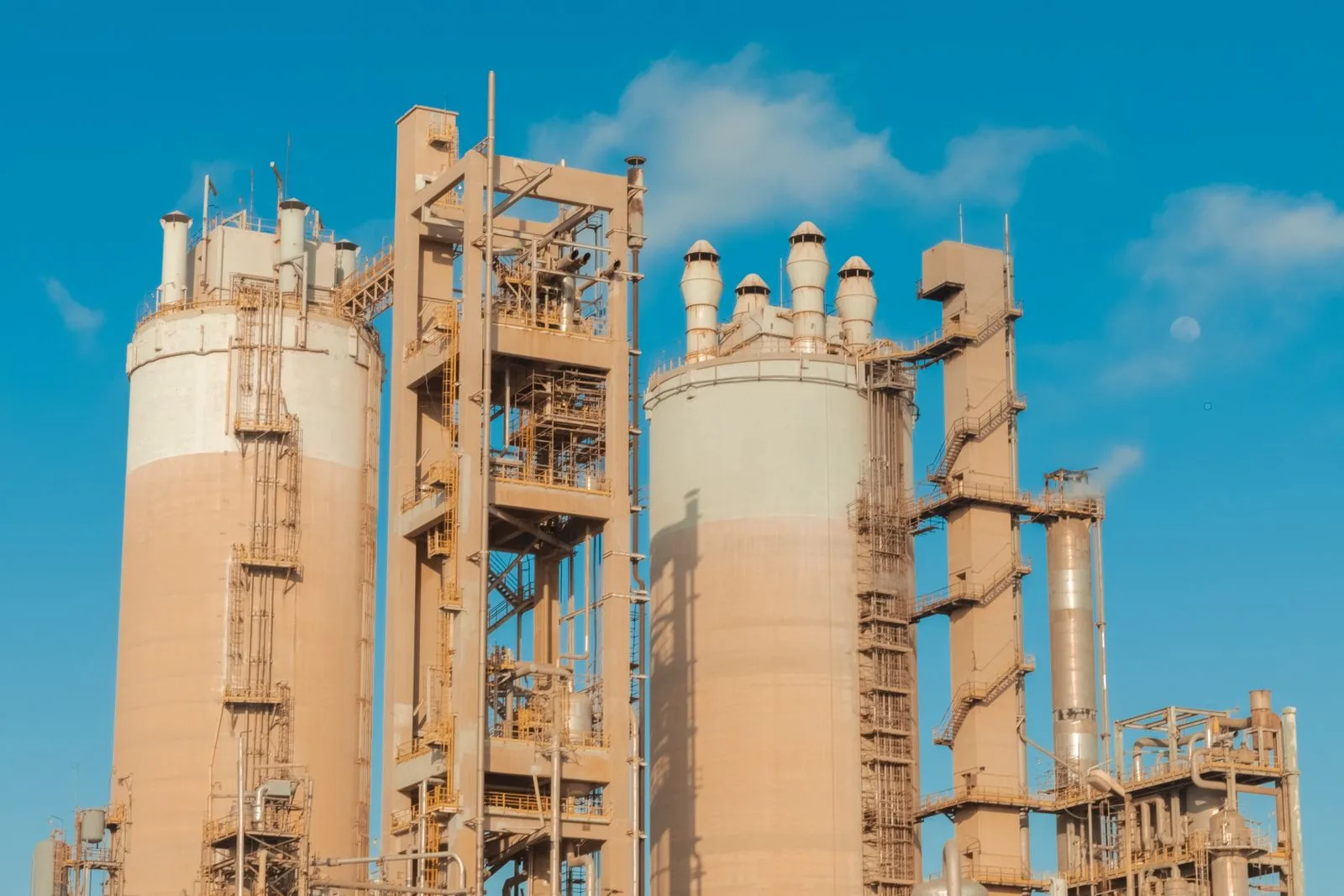
Quick answer
What cooling tower is best for a fertilizer plant?
Large ammonia and urea complexes usually need a multi-cell field-erected cooling tower in RCC, pultruded FRP or treated timber, because their circulating flows are very large. FRP is the most corrosion-resistant option where ammonia, urea dust or acid fumes are present.
Smaller granulation, NPK and SSP units are often well served by factory-made FRP cooling towers. In every case the tower is thermally designed for your flow, temperatures and site wet-bulb.
Applications
Where cooling towers are used in fertilizer plants
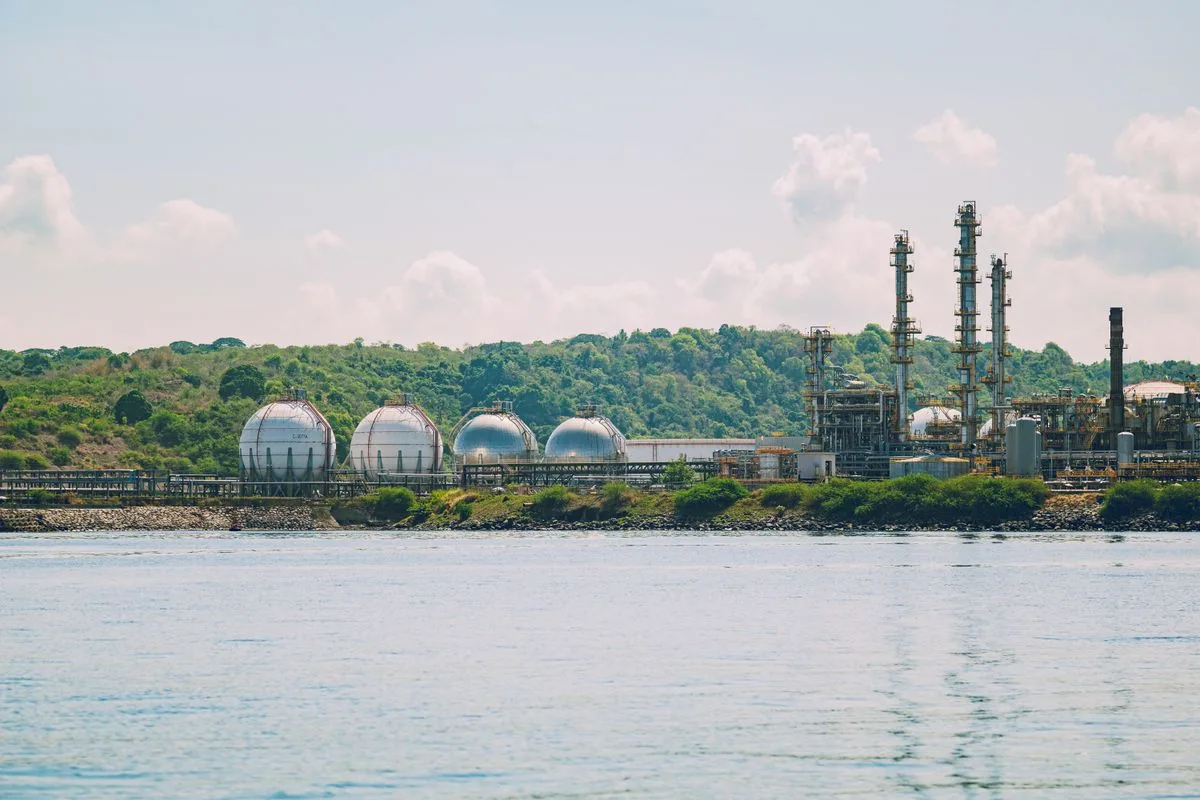
Ammonia and urea production rejects large amounts of heat from compressors, condensers and reactors, almost all of it through the cooling water system.
Ammonia synthesis and refrigeration
Cools compressor intercoolers and ammonia condensers in the synthesis and refrigeration loop.
Urea plant condensers
Supplies cooling water to urea synthesis, concentration and vacuum condensers.
Process gas compressors
Cools intercoolers and lube oil on syngas, CO₂ and air compressors.
Acid plants
Cooling for acid coolers in sulphuric, nitric and phosphoric acid plants.
Granulation and NPK units
Cools scrubbers, product coolers and utilities in granulation plants.
Captive power
Condenser cooling for the steam turbines that power the complex.
Challenges
Cooling tower challenges in fertilizer plants, and how we design for them
Fertilizer plants combine very large flows with ammonia, urea dust and acid fumes in the air. These are the conditions we design around.
Challenge
Ammonia and urea in the air
How we design for it
FRP structure and casing that cannot rust, with stainless steel or hot-dip galvanised hardware.
Challenge
Ammonia leaks into cooling water
How we design for it
Tell us what could enter the circuit and we check the compatibility of fill and materials.
Challenge
Very large circulating flows
How we design for it
Multi-cell RCC, wooden or pultruded FRP field-erected towers, up to 6,000 m³/hr per cell in FRP.
Challenge
Long runs between turnarounds
How we design for it
Multi-cell layouts so a cell can be isolated for maintenance while the plant keeps running.
Challenge
Scaling and fouling
How we design for it
Fill selected against your water analysis; splash fill where fouling risk is high.
Challenge
Ageing towers
How we design for it
Repair and reconstruction of existing towers of any make to restore performance.
Tower types & materials
Which cooling tower suits your fertilizer plant?
We manufacture all three materials in-house, so we recommend the one that fits your duty, not the one we happen to make.
| Feature | RCC cooling tower | FRP cooling tower | Wooden cooling tower |
|---|---|---|---|
| Best for | Large ammonia–urea complexes | Corrosive areas and smaller units | Economical large-flow cooling |
| Corrosion resistance | Very good – concrete structure with HDG / SS hardware | Excellent – no rust; suits chemical, coastal and seawater duty | Good – CCA-treated timber with HDG / SS hardware |
| Models | 92 | 98 | 107 |
| Capacity | Sized to project | Up to 6,000 m³/hr per cell (pultruded) | 45 – 5,000 m³/hr per cell |
| Civil work | Civil structure built locally from our drawings | Minimal – FRP or RCC cold water basin | RCC cold water basin by purchaser (drawings provided) |
Corrosion-resistant materials throughout, confirmed against your water analysis and the chemicals present on site.
| Component | Material of construction |
|---|---|
| Structure and casing | RCC, FRP or treated timber |
| Fill | PVC film or splash fill |
| Drift eliminator | PVC, cellular or blade type |
| Nozzles | Polypropylene (PP) |
| Hardware | Stainless steel or hot-dip galvanised MS |
| Fan | Cast aluminium alloy or GRP blades |
| Fan cylinder | FRP |
| Electric motor | To suit your site standards and area classification |
How it works
What we need to size your cooling tower
Send these details and our engineers will recommend the model, number of cells and fill for guaranteed performance.
Flow rate
Circulating water flow in m³/hr, or heat load in kW or TR.
Temperatures
Hot water inlet and required cold water outlet temperatures.
Wet-bulb temperature
Design wet-bulb temperature for your site location.
Water and chemicals
Water analysis and any chemicals, such as ammonia, that could enter the circuit.
Site details
Available space, existing basin, power supply and site standards.
Why Cooltech
Trusted by fertilizer producers
Our clients include Rashtriya Chemicals & Fertilizers, Bangladesh Fertilizers and Foods Fats & Fertilizers, alongside plants across the Middle East, Southeast Asia and Africa.
years designing cooling towers
cooling towers manufactured
towers exported
member · ISO 9001:2015
FAQ
Cooling towers for fertilizer plants: FAQs
Which cooling tower is best for a fertilizer plant?
Large ammonia and urea plants usually use multi-cell RCC, pultruded FRP or wooden field-erected towers. FRP gives the best corrosion resistance where ammonia or acid fumes are present, and smaller units are often served by factory-made FRP towers.
Why are fertilizer plant cooling towers usually multi-cell?
Ammonia and urea plants have very large heat loads. Multi-cell towers spread this across several cells and let you isolate a cell for maintenance without stopping production.
How do you handle ammonia in the cooling water?
Ammonia leaking from exchangers can change water chemistry and encourage biological growth. Detection and treatment are part of your water programme; we select fill and materials that are compatible with what may enter the circuit.
Can you rebuild an old fertilizer plant cooling tower?
Yes. We repair and reconstruct cooling towers of any make, from replacing fill, drift eliminators, fans and gearboxes to rebuilding the structure.
What details do you need for a quotation?
We need the circulating flow rate (or heat load), hot and cold water temperatures, the design wet-bulb temperature for your site, your make-up water analysis, and details of the available space and power supply.
Do you supply fertilizer plants outside India?
Yes. We have exported more than 1,500 cooling towers, and our fertilizer clients include Bangladesh Fertilizers.
Related industries
Cooling towers for related industries
Cooling towers for chemical industry
Cooling towers for petrochemical plants
Cooling towers for captive power generation
Our clients
Clients who trust Cooltech
Industry leaders in India and abroad rely on Cooltech cooling towers.


Need a cooling tower for your fertilizer plant?
Share your flow rate, temperatures and site details. Our engineers will recommend the right FRP, RCC or wooden cooling tower.