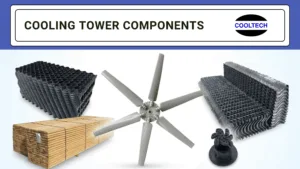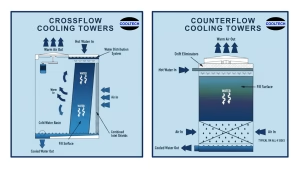
Controlling temperature in manufacturing plants is a big and complex task. At the heart of this process is the cooling tower, a brilliant piece of engineering that throws out excess heat from your machinery into the open air. But the real magic does not happen on the outside shell; it happens inside, in a hidden network called “fills.” These internal parts are the main workers that actually cool the water down. For factory owners and facility managers, understanding how fills work, what they are made of, and which type to choose is very important to keep the plant running smoothly. As production demands increase, having the right heat removal system becomes absolutely necessary.
What are Cooling Tower Fills?
Think of cooling tower fills as the lungs of the system. They are specially designed materials placed inside the tower to increase the contact area between the falling hot water and the rising cool air. By slowing down the falling water, fills give the air more time to cool the water. Without these fills, the water would just crash to the bottom basin in thick streams, and very little heat would escape. Simply put, cooling tower fills decide the basic efficiency and performance of your entire industrial water cooling tower unit.
Size and Shape of Cooling Tower Fills
The design and shape of the fills are not chosen randomly; they are carefully calculated based on how much heat needs to be removed and the quality of your water. The gaps and ridges inside the structure can vary from very narrow gaps for clean water systems to wider gaps designed to prevent blockages if your water has a lot of dirt or particles. The shape forces the water to splash and mix, which helps the heat escape much faster. Choosing the right shape requires a careful look at your water’s thickness, dirt levels, and your cooling targets.
About Cooling Tower Fill Material
The life of your entire cooling system depends heavily on the durability of the fill material. These materials have to survive a constant attack from hot water, chemical treatments, and algae growth. In the past, treated wood was used, but modern engineering requires high-quality plastics. The chosen material needs to spread water evenly instead of letting the water flow in just one spot. The fill must also be strong enough to handle the heavy weight of falling water and mineral buildup (scaling), while resisting damage from the sun and harsh cleaning chemicals.
Types of Cooling Tower Fills
Choosing the correct type of fill is the key to getting the best performance for your specific factory setup. Here are the main types:
- PVC Honeycomb Fill: PVC (Polyvinyl chloride) is the most common choice in the industry. It looks like a honeycomb and is known for spreading water into a very thin, wide layer, making it very easy for the air to cool it. PVC is fire-resistant, strong, and handles chemicals well. It is the perfect choice for systems using relatively clean water where you need maximum cooling in a small space.
- ABS Honeycomb Fill: ABS fills have the same honeycomb shape as PVC but can handle much higher temperatures. If your factory processes generate very hot water that would melt standard PVC, ABS is the right upgrade. It costs a bit more, but it stops the fills from melting and breaking down in tough chemical or metal industries.
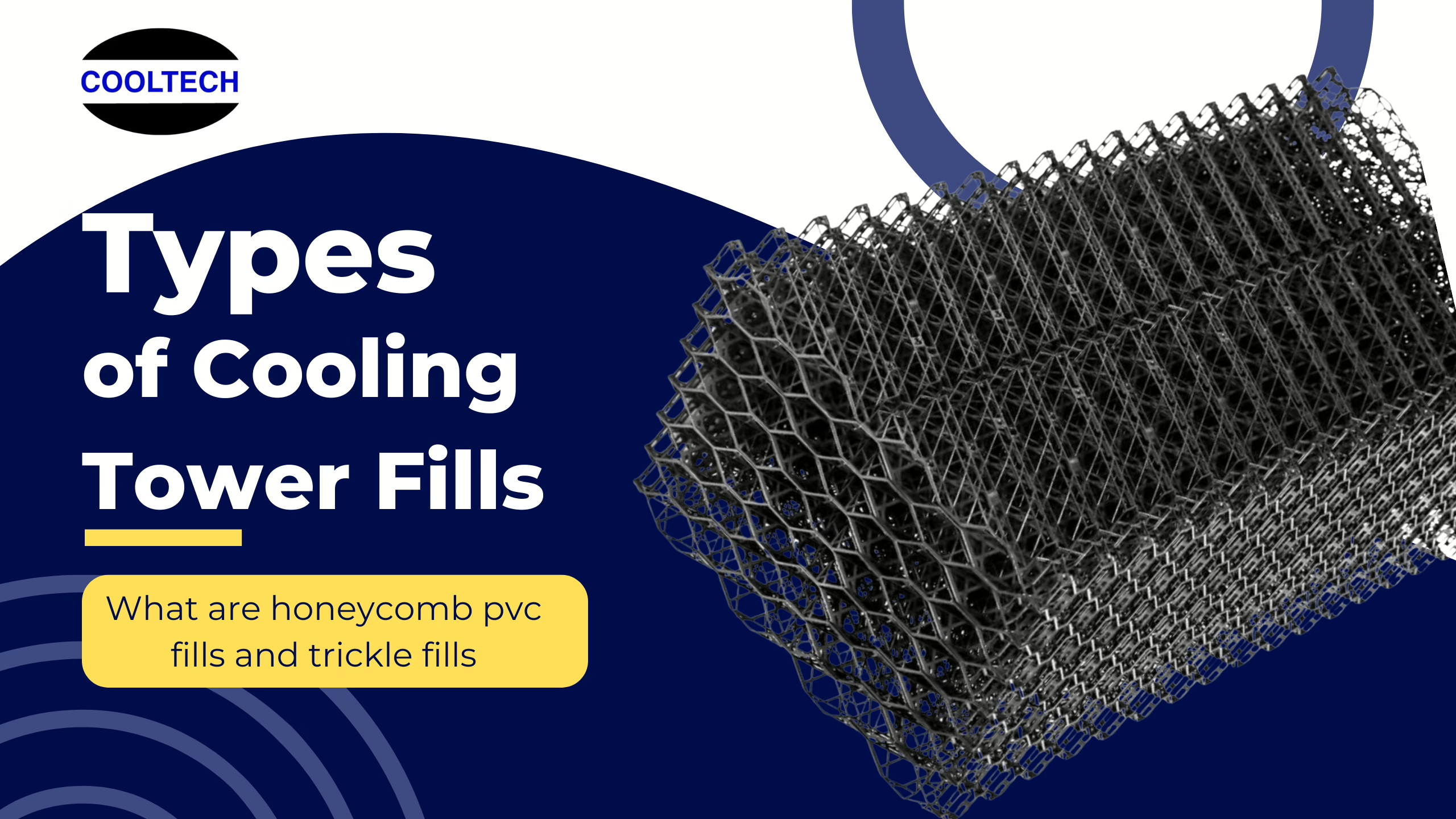
- Trickle Fills (The New Generation): This is a massive upgrade in cooling technology. Instead of spreading water into a thin film, trickle fills use an open grid design to break the falling water into tiny drops. This creates a huge surface area for instant cooling. Trickle fills are the ultimate solution for dirty, muddy, or algae-heavy water that would quickly choke a normal honeycomb fill. They offer high performance with almost zero risk of getting blocked. Trickle fills are bottom supported hence there is no concern of the trickle fills breaking down. Cooltech is the first cooling tower company to successfully introduce trickle fills fitted cooling towers for maximum efficiency. Cooltech Engineers also offers a 10 Years Guarantee on Trickle Fills, Contact Cooltech Engineers for Trickle Fill fitted cooling towers.
- Sigma Fills and the Shift to Trickle Fills: Many older cooling towers, use “Sigma fills.” These have a wave-like shape originally meant to let air flow easily. However, many industries are now seeing these Sigma fills fail very quickly under heavy factory loads. Their complex shape gets blocked easily, leading to fast damage, heavy scaling, and poor cooling across the system. The main reason is that sigma fills are hanging fills that easily break. Because of this, Trickle Fills have clearly become the absolute best replacement for these old Sigma parts. By completely removing the weak, film-forming designs that cause these breakdowns, modern trickle fills offer a strong, permanent upgrade. They remove the constant maintenance headaches of legacy designs and keep your plant running without interruptions.
Frequently Asked Questions (FAQs)
Q1: How often should we check or replace cooling tower fills?
You should inspect them every six months. While good quality PVC fills can easily last 7 to 10 years, aggressive water, high dirt levels, or poor chemical cleaning can make the plastic hard and brittle, meaning you might need to replace them earlier.
Q2: Why do honeycomb fills get blocked with scale faster than trickle fills?
Honeycomb fills use very narrow paths to spread the water. These tiny paths act like filters, easily trapping dirt and minerals (like calcium), causing them to block over time. Trickle fills have an open-grid design, allowing dirt to pass right through without getting stuck.
Q3: Can we replace our old PVC honeycomb fills with the new generation trickle fills?
Yes, upgrading is a very standard procedure. However, because trickle fills usually need more vertical space to give the same cooling power as a tightly packed honeycomb fill, an expert needs to do some exact calculations before making the change.
Q4: What is the highest temperature normal PVC fills can handle?
Standard PVC fills can work safely up to 55°C (131°F). If the water stays hotter than this, the plastic will melt and collapse, which will instantly stop your cooling tower from working.
Q5: How does a bad fill affect the main structure of an FRP cooling tower?
When fills get old or heavily blocked with scale, they become extremely heavy. This extra weight puts a massive load on the fiberglass (FRP) body of your cooling tower. If ignored, it can cause cracks, bending, or even cause the insides to collapse completely.
Upgrade Your Cooling Efficiency Today
The parts of your cooling system decide the profitability of your factory. Do not let old, damaged, or wrongly chosen fills slow down your production. For expert advice on selecting the best fill materials from modern trickle designs to replacements for older sigma fills get in touch with the specialists at Cooltech Cooling Towers. Discover how our smart engineering solutions can keep your business running smoothly and efficiently.