
Industries · Pharmaceutical
Cooling Towers for the Pharmaceutical Industry
Compact, low-maintenance FRP cooling towers for API plants, formulation units and HVAC in pharmaceutical facilities. Designed and built in India since 1975.
- API & formulation duty
- Low-maintenance FRP
- CTI member · ISO 9001:2015
- 4,900+ towers supplied
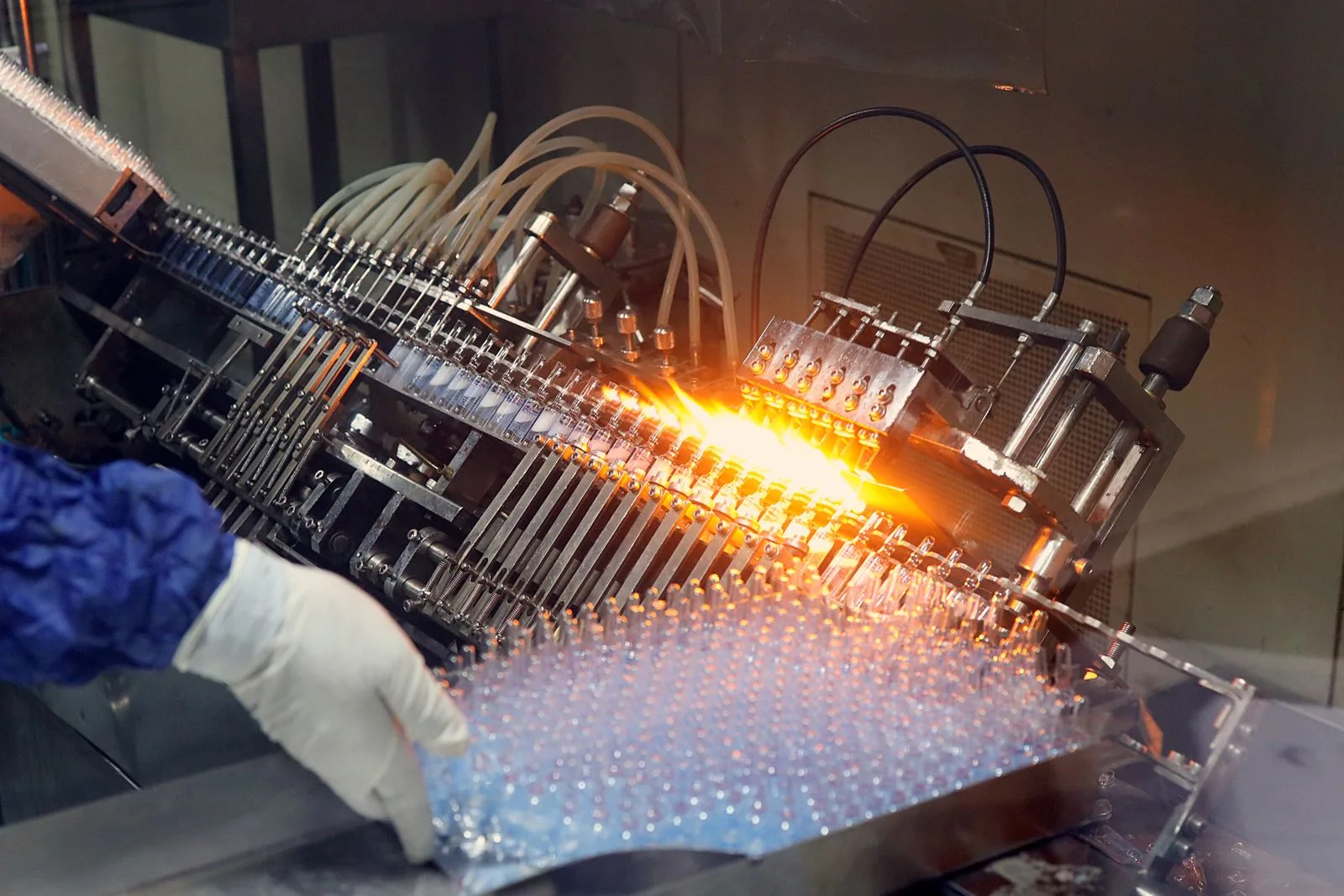
Quick answer
What cooling tower is best for a pharmaceutical plant?
Most pharmaceutical plants choose an induced draft FRP cooling tower. FRP resists the solvent and chemical fumes common in API plants, needs no repainting, and has a smooth surface that is easy to clean, which helps with hygiene and Legionella control.
API plants need cooling water for reactors, condensers and solvent recovery, while formulation units mainly need it for HVAC chillers and utilities. We size the tower for your total load and site wet-bulb.
Applications
Where cooling towers are used in pharmaceutical plants
Pharmaceutical plants depend on cooling water for both process steps and the tightly controlled HVAC that clean rooms need.
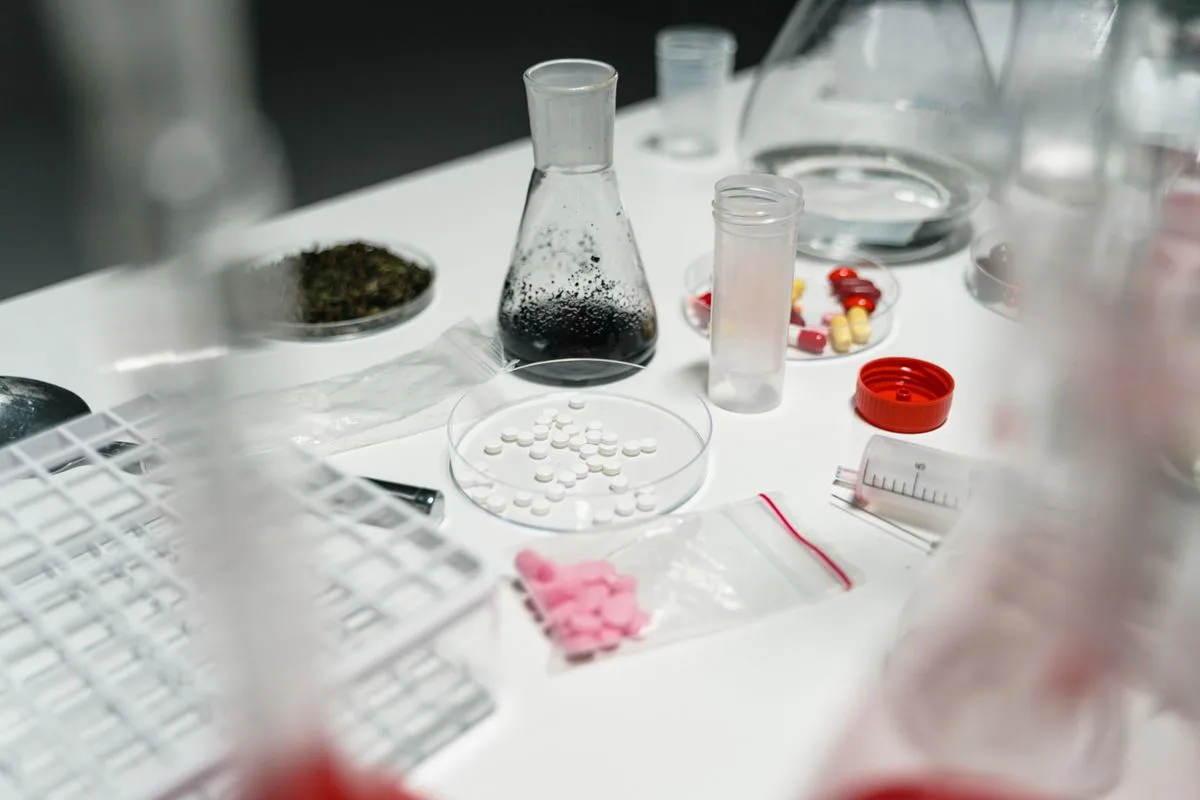
Reactor cooling
Removes heat from API reactors, directly or through brine and chilled water systems.
Solvent recovery condensers
Cools condensers on distillation and solvent recovery units.
HVAC chiller condensers
Condenser water for chillers that keep clean rooms and AHUs at controlled conditions.
Process chillers and brine plants
Rejects heat from chillers and brine plants that cool low-temperature reactions.
Vacuum pumps and dryers
Cools vacuum pumps, ejectors and dryer condensers.
Utilities
Cools air compressors, DG sets and other plant utilities.
Challenges
Cooling tower challenges in pharmaceutical plants, and how we design for them
Pharmaceutical plants need clean, reliable cooling that supports audits and never interrupts production. These are the conditions we design around.
Challenge
Hygiene and Legionella risk
How we design for it
Smooth FRP surfaces and easy access to fill, nozzles and basin for cleaning and disinfection.
Challenge
Solvent and chemical fumes
How we design for it
FRP structure that cannot rust, with stainless steel or hot-dip galvanised hardware.
Challenge
Steady temperatures for critical HVAC
How we design for it
Tower designed for your hottest-season wet-bulb so chillers get water at design temperature.
Challenge
Audits and documentation
How we design for it
Drawings and thermal design data to support your engineering and audit records.
Challenge
Compact plant layouts
How we design for it
Compact counterflow cells, including rooftop-friendly FRP.
Challenge
Uninterrupted operation
How we design for it
Multi-cell designs so a cell can be serviced while the others keep running.
Tower types & materials
Which cooling tower suits your pharmaceutical plant?
We manufacture all three materials in-house, so we recommend the one that fits your duty, not the one we happen to make.
| Feature | FRP cooling tower | RCC cooling tower | Wooden cooling tower |
|---|---|---|---|
| Best for | Most pharmaceutical duties | Large, permanent API complexes | Economical large-flow cooling |
| Corrosion resistance | Excellent – no rust; suits chemical, coastal and seawater duty | Very good – concrete structure with HDG / SS hardware | Good – CCA-treated timber with HDG / SS hardware |
| Models | 98 | 92 | 107 |
| Capacity | Up to 6,000 m³/hr per cell (pultruded) | Sized to project | 45 – 5,000 m³/hr per cell |
| Civil work | Minimal – FRP or RCC cold water basin | Civil structure built locally from our drawings | RCC cold water basin by purchaser (drawings provided) |
Corrosion-resistant, easy-to-clean materials, confirmed against your water analysis and site conditions.
| Component | Material of construction |
|---|---|
| Structure and casing | FRP (or RCC / treated timber) |
| Fill | PVC film or splash fill |
| Drift eliminator | PVC, cellular or blade type |
| Nozzles | Polypropylene (PP) |
| Hardware | Stainless steel or hot-dip galvanised MS |
| Fan | Cast aluminium alloy or GRP blades |
| Fan cylinder | FRP |
| Electric motor | To suit your site standards and area classification |
How it works
What we need to size your cooling tower
Send these details and our engineers will recommend the model, number of cells and fill for guaranteed performance.
Flow rate
Circulating water flow in m³/hr, or heat load in kW or TR.
Temperatures
Hot water inlet and required cold water outlet temperatures.
Wet-bulb temperature
Design wet-bulb temperature for your site location.
Loads and water
Heat loads from process and HVAC, and your make-up water analysis.
Site details
Available space, existing basin, power supply and site standards.
Why Cooltech
Trusted by pharmaceutical and chemical companies
Our clients include Orchid Chemicals & Pharmaceuticals, alongside chemical and process plants across India, the Middle East, Southeast Asia and Africa.
years designing cooling towers
cooling towers manufactured
towers exported
member · ISO 9001:2015
FAQ
Cooling towers for pharmaceutical plants: FAQs
Which cooling tower is best for a pharmaceutical plant?
An induced draft FRP cooling tower suits most pharmaceutical plants because it resists corrosion, needs little maintenance and is easy to keep clean.
How do you reduce Legionella risk in a cooling tower?
Legionella is controlled mainly through water treatment and regular cleaning. FRP towers help because their smooth surfaces are easy to clean and the fill, nozzles and basin are accessible, and drift eliminators limit aerosol drift. Read more on preventing Legionnaires’ disease in cooling towers.
Do API and formulation plants need different cooling towers?
API plants have large process loads from reactors and condensers. Formulation plants mostly need condenser water for HVAC chillers. Both are usually served by FRP towers, sized differently.
Can a cooling tower be installed on a building roof?
FRP cooling towers are light, which keeps structural loads low. We confirm the operating weight so your structural engineer can check the roof or platform.
Can you repair an existing cooling tower?
Yes. We repair and reconstruct cooling towers of any make, and supply spares such as FRP fans, fills, nozzles, drift eliminators, fan stacks and gearboxes.
What details do you need for a quotation?
We need the circulating flow rate (or heat load), hot and cold water temperatures, the design wet-bulb temperature for your site, your make-up water analysis, and details of the available space and power supply.
Related industries
Cooling towers for related industries
Cooling towers for chemical industry
Cooling towers for distilleries
Cooling towers for petrochemical plants
Our clients
Clients who trust Cooltech
Industry leaders in India and abroad rely on Cooltech cooling towers.


Need a cooling tower for your pharmaceutical plant?
Share your flow rate, temperatures and site details. Our engineers will recommend the right FRP, RCC or wooden cooling tower.